everybody wants to be a showgirl until hr finds out
Written by Lottie Ellington
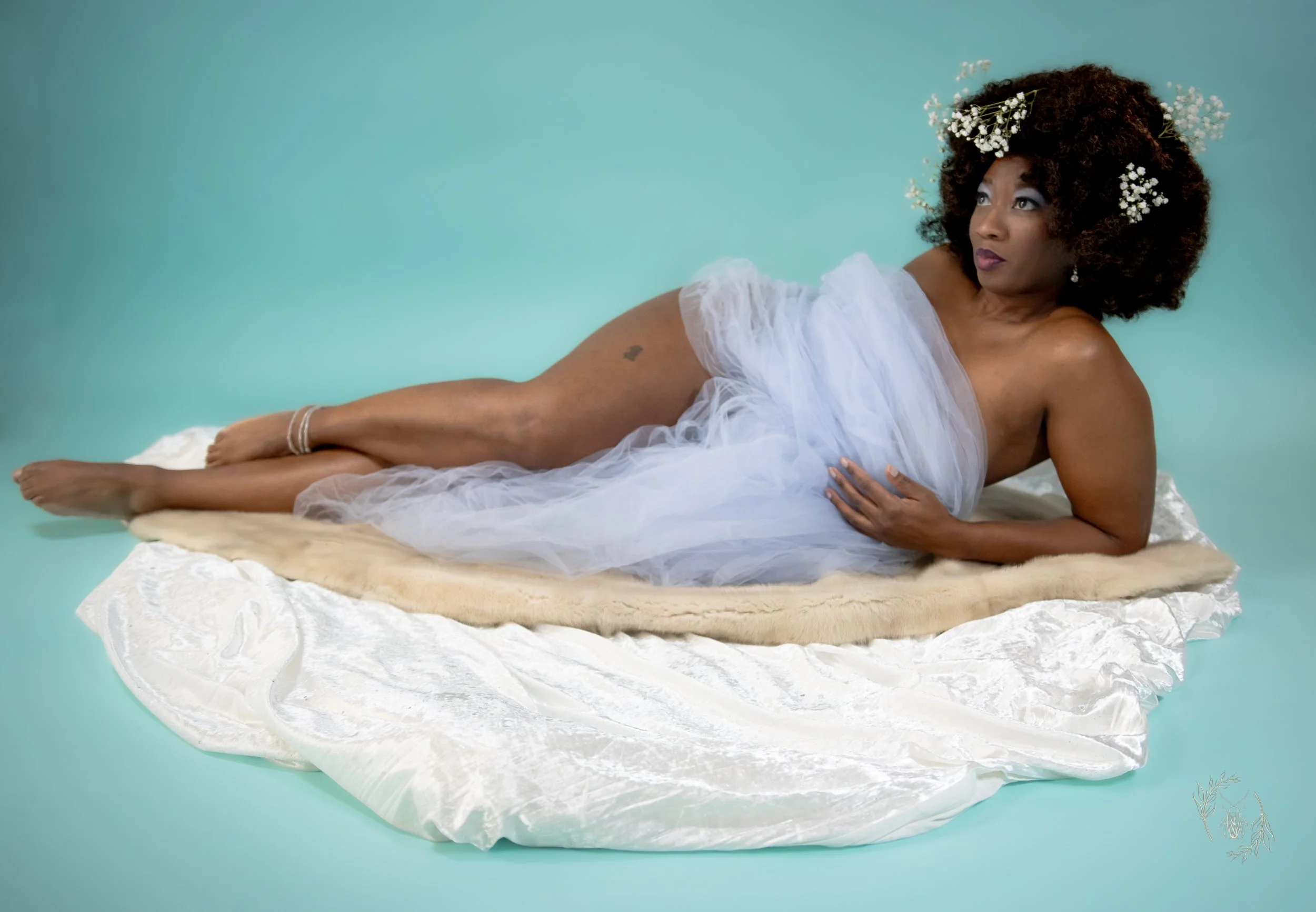
Bet You're Wondering How I Ended Up Here?
Never in a million years did I think my burlesque hobby would land me in a meeting with Human Resources.
I call it a "hobby" because, at the time, I was only performing quarterly. Burlesque was something I did outside of my "real life." I was a teacher. I had a bachelor's degree, a master's degree, a house, and all the trappings of middle-class adulthood. I was a grown woman with a career, responsibilities, and a life that was more than conventional, my life was down right boring.
And yet, there I was. Sitting across from a smug woman from Human Resources and my administrator while they showed me a video clip of me performing what would become my infamous "Twerking in the Rain" act at the Michigan Burlesque Festival.
Someone had sent them the video. "Anonymous," of course. I wasn't ashamed. Why would I be? I was an adult woman, and I hadn't done anything illegal. I hadn't harmed anyone. I had simply stepped onto a stage, put on a costume, and performed. But apparently, to some people, being a teacher and being a burlesque performer were mutually exclusive.
What they didn't understand was that burlesque had become something much bigger than a hobby for me. Five months earlier, I had returned to work after surviving a drive-by shooting. Let me tell you something: a near-death experience will change the way you see the world.
During the time I was away from work, burlesque became my refuge. It was the one part of my life that didn't revolve around the small town where I lived and worked. On that stage, I wasn't someone's teacher. I wasn't someone's employee. I wasn't the woman who had survived being shot at. I was simply me. And for the first time in a long time, that felt like enough.
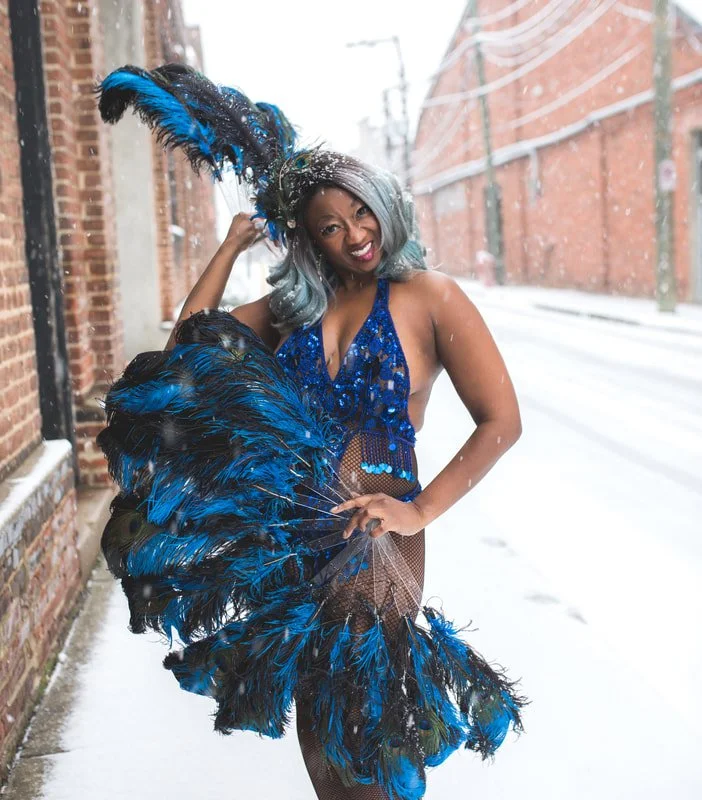
You would think the HR meeting would have turned my entire world upside down. It didn't. Not yet. The fates apparently weren't finished with me. They still had a few more plot twists waiting.
I left that office more irritated than angry. If they wanted me to resign, fine. I had a bachelor's degree. I had a master's degree. I was a certified, credentialed teacher. I could go anywhere in the world and teach. At least, that's what I thought.
Three days later, I woke up to phone calls and messages from people in my local burlesque community. At the time, I didn't have internet access at home. So I walked down the street to my local coffee shop to check my messages. That's where I discovered that my world was about to change.
The night before, a local news station had aired an exposé about a "burlesque dancing teacher." Me.
The reporter had interviewed parents—parents I had never met, parents I had never seen at a parent-teacher conference—who were suddenly being asked to weigh in on whether I had the right to be a teacher. Their argument was simple:
How could someone who performed burlesque possibly be qualified to teach children?
If I could "stoop so low" as to be a burlesque performer, they didn't want me teaching their kids.
It was humiliating. It was infuriating. But what happened next was even worse.
The story didn't stay local. It exploded across the internet. Legal blogs picked it up. Parent newsletters picked it up. Other media outlets picked it up. Even an early version of The Young Turks covered the story. Suddenly, I wasn't just a teacher who performed burlesque. I was the infamous twerking teacher. And my name was everywhere. There was seemingly nowhere I could go that hadn't heard the story.
That's when I realized something I hadn't understood during that meeting with HR: My teaching career wasn't simply in trouble. It was over. Or at least, that's what I believed at the time.
I had spent years becoming a teacher. I had earned the degrees. I had done the training. I had built the career. I had devoted myself to my students. And all it took to erase that identity, in the eyes of the public, was a video of me twerking in the rain.
But here's the thing about having your life blown apart: Sometimes the life you thought you were supposed to have has to end before you can discover the life you were actually meant to live.
I didn't know it then, but losing my teaching career wasn't going to be the end of my story. It was the beginning. And that infamous little video? It was about to take me places I never could have imagined.
The Best Brilliance Is Brilliance Born Out of Something Ignorant
"The best brilliance is brilliance born out of something ignorant." — Eddie Murphy, The Golden Child
Sometimes the things that change your life begin with you knowing absolutely nothing about them. My burlesque journey started with an invitation to a burlesque show at The Canal Club from one of my college besties from undergrad—student workers from VCU. At the time, I was finishing my master's degree and teaching full time. The last thing on my mind was picking up another hobby or hyperfixation.
Honestly? I didn't even know what burlesque was. But from the moment the first performer stepped onto that stage, I knew. This was where I belonged.
Dance had always been a part of my life. I had danced on and off since I was a child—jazz dance, rhythmic gymnastics, pom-pom. As an undergraduate, I was part of my university's marching band's dance squad. Later, I joined a Congolese dance troupe, which gave me another opportunity to continue doing something I had always loved.
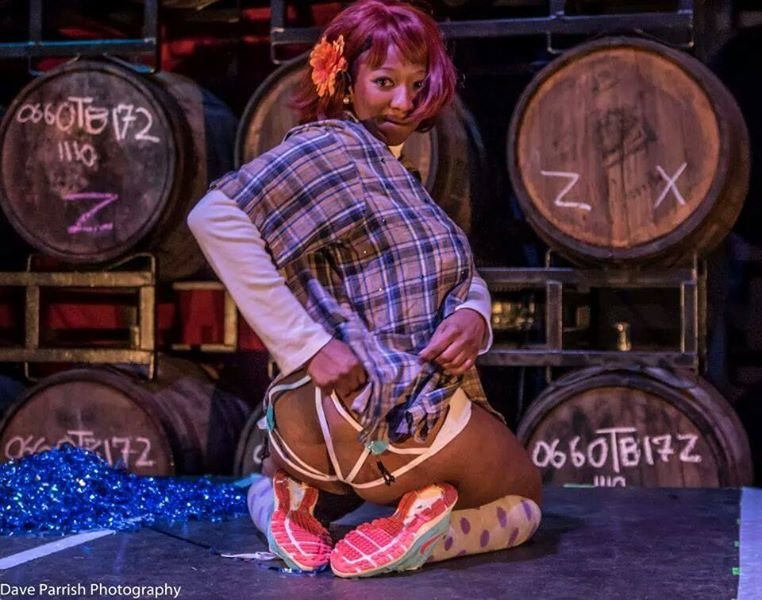
But somewhere along the way, I had convinced myself that I had reached the point in adulthood where dance needed to be put away. I thought performing was something you did when you were younger. Something you eventually outgrew. Because who wants to watch a former dancer perform? In some ways, I was mourning the loss of one of the great loves of my life while simultaneously leveling up in my professional life. I was an adult. I was earning degrees. I was building a career. And somewhere in my mind, adulthood meant that there was no longer room for dancing.
When I walked out of that burlesque show, I knew I could dance again. The first thing I noticed was the movement. It was familiar. The tracing of an arm. The bumps. The grinds. The isolations. The attitude. I knew those movements. I had grown up with them as a Black college dancer.
And that's when it hit me: What had become taboo in mainstream culture, what had been stripped of its context and dismissed as something vulgar or inappropriate, was transformed into something new. Something sassy. Something fiery. Something sexy. Something accessible. I had seen these movements before. I was watching a lost art. I just hadn't seen them called burlesque. It felt like someone had taken a language I already spoke and introduced me to an entirely new dialect. And I was fascinated.
A month after finishing my graduate work, I started taking burlesque classes. I didn't have any grand plans. I wasn't trying to build a career. I wasn't trying to become a professional performer. I just wanted to get onstage at the local club and perform once or twice. I figured it would make a great story to tell my nieces and nephews—or maybe my grandchildren—later in life.
"Did I ever tell you about that one time your crazy Auntie Lottie got onstage and did burlesque?"
That was the plan. One or two performances. A funny story. Then I'd go back to my regularly scheduled adult life. Clearly, I had no idea what I was getting myself into. Because here I am. Nearly sixteen years later. Still going.
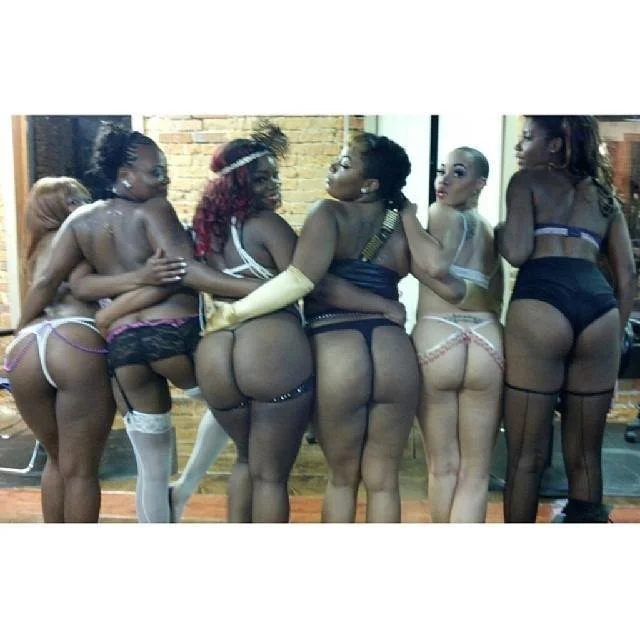
My burlesque journey was a little different from the typical origin story because I wasn't a fresh twenty-something kid when I started. I started at 35 years old. I had a job. I had a mortgage. I had a 401(k). I had degrees. I had responsibilities. I had a whole damn adult life. And then I decided to get onstage and take my clothes off.
I made my burlesque debut on April 15, 2011, at The Canal Club. I thought I was beginning a hobby. I didn't know I was beginning a life. I didn't know that the thing I had been convinced I was too old to do would eventually become one of the defining parts of who I am. I didn't know that burlesque would become my refuge. I didn't know it would become my livelihood. I didn't know it would introduce me to some of the most extraordinary people I've ever known. And I certainly didn't know that, years later, a video of me performing burlesque would cost me my teaching career.
But that's the funny thing about beginnings. You rarely recognize them while they're happening. Sometimes you're just walking into a club because your friends invited you. Sometimes you're just trying something new because you don't know enough to be afraid. Sometimes ignorance really is the beginning of brilliance. And sometimes the thing you think is going to be a hobby...turns out to be the beginning of everything.
Adversity Sucks, But Without It, You Never Know How Strong You Truly Are
Adversity sucks. There's really no elegant way to say it. But without adversity, you never know how strong you truly are.
Academia can teach you a lot. I spent years in college earning degrees, sitting in classrooms, writing papers, studying, testing, and preparing for a career. But I can honestly say I learned more in the two years after losing my job than I did in all my years in college. Those two years taught me things no professor could have put on a syllabus.
I learned the value of a dollar. And I learned how to stretch the hell out of one. I also learned the true value of a Bachelor of Science in Education. It's a wonderful degree if someone is willing to hire you as a teacher. Outside of teaching kids? Well... bupkis.
For two years, I cobbled together a living any way I could. I worked retail. I worked as a baker. I worked in a coffee shop. I worked at a liquor store. And, eventually, I started teaching again. Just not in the way I had expected. I started teaching burlesque. And that's how I survived.
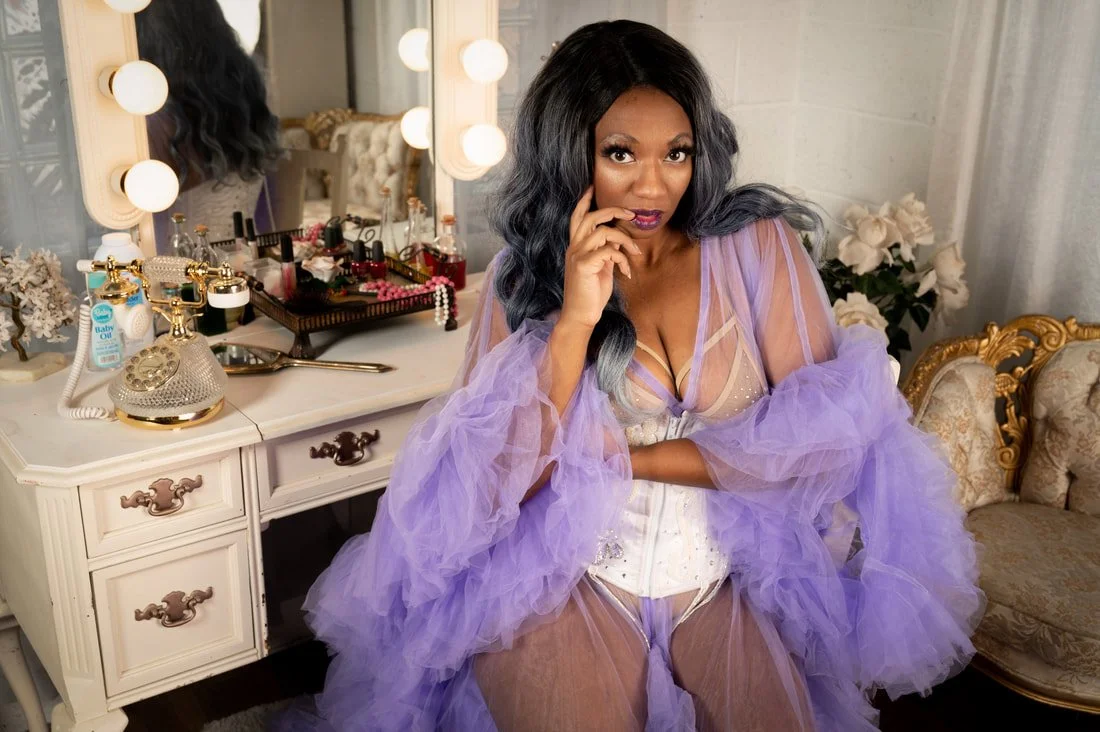
I downsized—dramatically. I went from a three-bedroom house to couch surfing, and eventually to a two-bedroom rental. There were moments when I looked around and thought, How the hell did I get here?
But I want to be clear about something: My struggle was self-inflicted. Not because I caused what happened to me, but because I made a conscious decision about what I was going to do next. I could have gone home. I could have gone back to Michigan with my tail between my legs. I could have leaned on my family, relied on my existing social connections, and avoided a lot of the pain, uncertainty, and struggle. And nobody would have blamed me. In fact, that's what most people expected me to do.
But I knew that if I made that choice, I wouldn't become the person I needed to be. For me, going home wasn't the answer. I needed to prove if I was strong enough to survive what had been thrown at me. Not in theory. Not because a degree on my wall said I was. Not because someone else told me I was strong. I needed to prove it to myself.
So I stayed. I figured things out. I learned how to make $20 stretch. I learned new skills. I learned that there is absolutely no shame in asking for help, even if you are a hyper-independent Black woman.
And I learned something else: The person I had been before everything fell apart was not the only person I could be. Losing my career forced me to strip away all the things I had used to define myself. Teacher. Homeowner. Professional. College-educated woman. Successful adult. All of those labels had suddenly become shaky.
What was left when none of those things mattered? Me. Lottie Motherfucking Ellington.
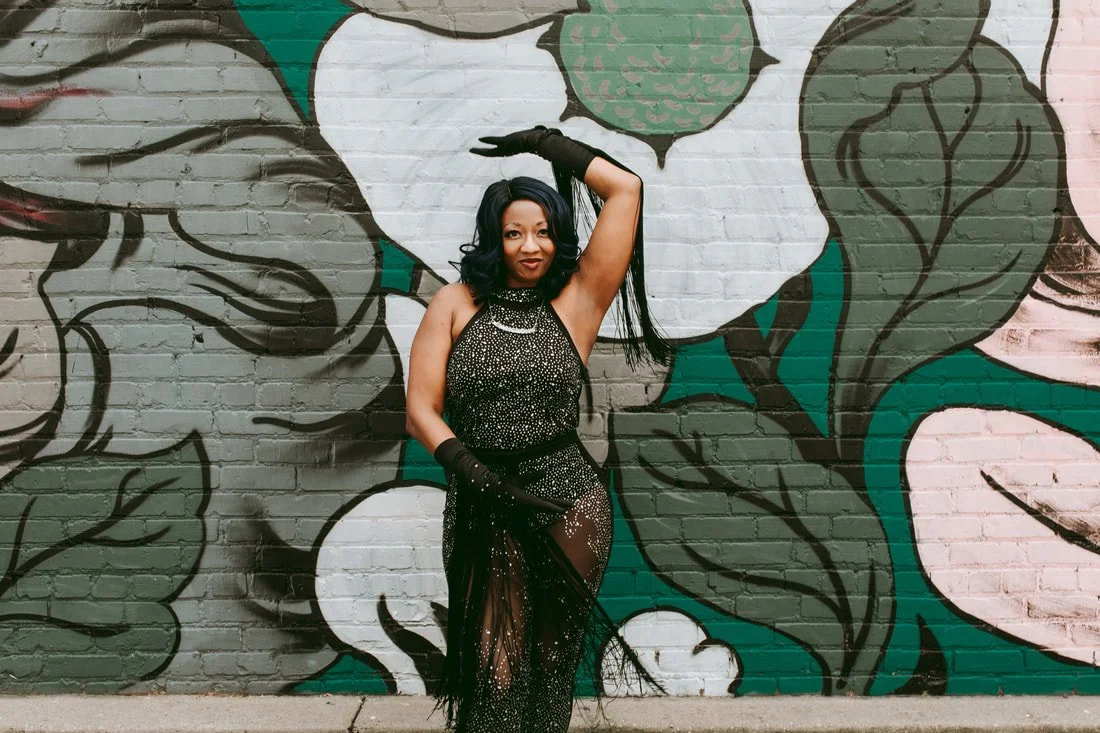
And, as it turns out, I was enough.
I didn't know it at the time, but those two years were giving me an education I couldn't have bought with two degrees. They were teaching me resilience. Resourcefulness. Humility. And perhaps most importantly, they taught me that I could lose almost everything I thought I needed and still find a way forward.
I wasn't rebuilding the life I had lost. I was building a completely different one. And burlesque—the very thing that had supposedly destroyed my career—was becoming one of the things helping me build it. Funny how life works sometimes. The thing they used to shame me became the thing that saved me.
Let Us Say Grace
Let us say grace. Be gracious. Give people grace. Give yourself grace. Cuz sometimes grace is all you've got.
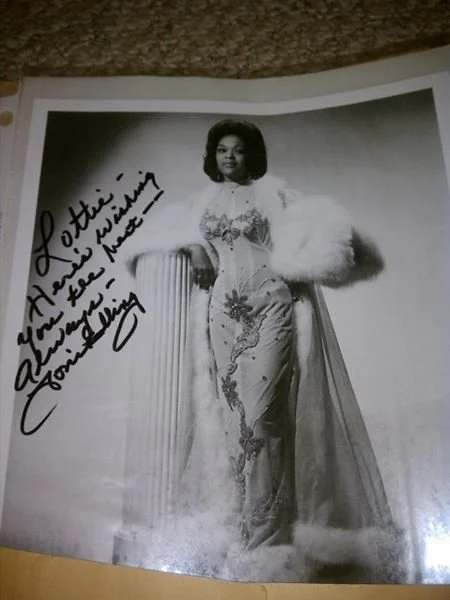
After my debut, I immediately rushed out and created social media for this wonderful imaginary creature named Lottie Ellington. I had to come up with a burlesque name, and I thought I had come up with a pretty damn good one. I had been reading an article in the Metro Times written by burlesque performer Sparkly Devil about two Black burlesque icons: Toni Elling and Lottie "The Body" Graves. I thought, What better way to acknowledge my Detroit roots and keep the names of these pioneers alive than to put their names together and create something new? And so, Lottie Ellington was born.
I felt pretty good about my choice. Until I got a sharply worded message from Vagina Jenkins. Apparently, I had committed a burlesque faux pas. I had used other people's names. Now, at the time, I didn't understand the weight of what I had done. I wasn't trying to steal anyone's identity or appropriate anyone's legacy. I genuinely thought I was paying homage. But intent doesn't erase impact.
So I immediately expressed remorse and contrition. I explained that I had reached out to Sparkly Devil using the email address listed in the Metro Times article, but I had never received a response. I told Vagina that I meant absolutely no disrespect to either Lottie or Toni and that I would do whatever I could to make things right.
Vagina was gracious enough to put me in contact with Toni. I sent Toni an email explaining that I had done my research on her and that my intentions were to honor her and her legacy. I told her that I would do whatever I could to earn her forgiveness—and, hopefully, the right to use the name I had chosen.
Toni responded, and eventually, we had a phone conversation. It lasted nearly an hour. Toni was the very definition of graciousness. She didn't berate me. She didn't make me feel stupid. She talked to me. She listened. She shared. And by the end of that conversation, she offered to send me an autographed photograph. I was over the moon. This woman—this legend whose name I had borrowed—had given me grace.
About a year later, I was invited to perform in Detroit. This was a big deal. It was my first out-of-town gig. It was my first show with an all-Black cast. To say the stakes were high would be an understatement.
And then came the cherry on top: Toni Elling had been invited to the show. I was finally going to meet her in person.

When Toni arrived, she was both bigger and smaller than I had imagined. She had a large presence. She was regal. She carried herself with a grace that filled the room. Backstage, the entire cast gathered around her in the green room. We literally sat at her feet and listened to her words of wisdom.
There was a documentary crew at the show, and after Toni spoke with us as a group, they asked to interview us individually. They wanted to know what it meant to be part of an all-Black cast. Had we experienced anything like this before? What did it mean to us? What did we think it might mean for burlesque moving forward?
After my interview, Toni pulled me aside. She complimented me. Then she said: "You've got a good head on your shoulders." Coming from Toni Elling? That meant something.
After the show, we sat and talked some more. She told me that she appreciated something I had done during the curtain call. I had put on a dressing gown. To me, it was simply part of my character as Lottie Ellington. To Toni, it represented something important. She told me that it was important for audiences to understand that the stripping portion of the show was over. That distinction mattered to her. And it mattered to me.
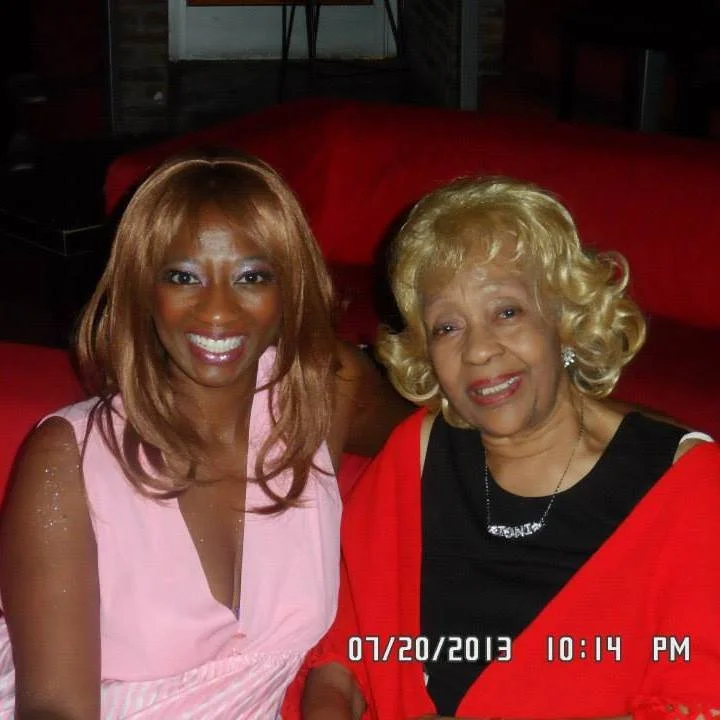
That night was the beginning of our friendship. Over the years, whenever I had an opportunity to come back to Detroit to visit family, I always made sure I visited Mama Toni. And if I got busy with work and missed Toni's call? I knew I didn't have long before there was a follow-up. Because sooner or later, my phone would ring or I'd get a message from Mama Toni's burlesque bestie, Fannie Annie, reminding me that: It only takes a minute to return a phone call. Mama Toni was worried.
That was Toni. She was a legend. She was a pioneer. She was a teacher. She was gracious. And somehow, this woman whose legacy I had stumbled into by accident became part of mine.
I had started out trying to create a stage name. Instead, I found a lineage. I thought I was borrowing a name. What I was really being given was an introduction to history, community, mentorship, and eventually, friendship.
And I learned something very early in my burlesque journey that I would carry with me for the rest of my life: Sometimes you don't know what you don't know. But if you're lucky, someone will give you enough grace to learn. And if you're even luckier, they'll stick around long enough to teach you.
Just Because Someone Wants to Hurt You Doesn't Mean They Get to Hurt You
The how, when, or why of my "outing" are no longer important. At least, not to me. Oddly enough, in some ways, being outed was a blessing. Or maybe I simply turned it into a blessing. Who knows?
What I do know is that I went from being a locally known burlesque performer from Virginia—and, eventually, a sad cautionary tale—to becoming a leader and an activist. In the end, I learned a lesson. Just not the lesson that was intended.
I believe the intended lesson was: Stay in your place. Who do you think you are? Who are you to challenge the status quo? Who gave you permission to speak?
What I underestimated was how important my voice was. And how dangerous it can be when you hurt a White woman's feelings.
I stood up for marginalized people in my community. I spoke up when I saw things that were harmful. And I paid a heavy price for it. I became the target of a crusade to "save the children from the twerking teacher." But the more they tried to make an example out of me, the more I began to understand something: My voice mattered. I had always known that I had strong opinions. I just hadn't understood the power or the price that came with using them.
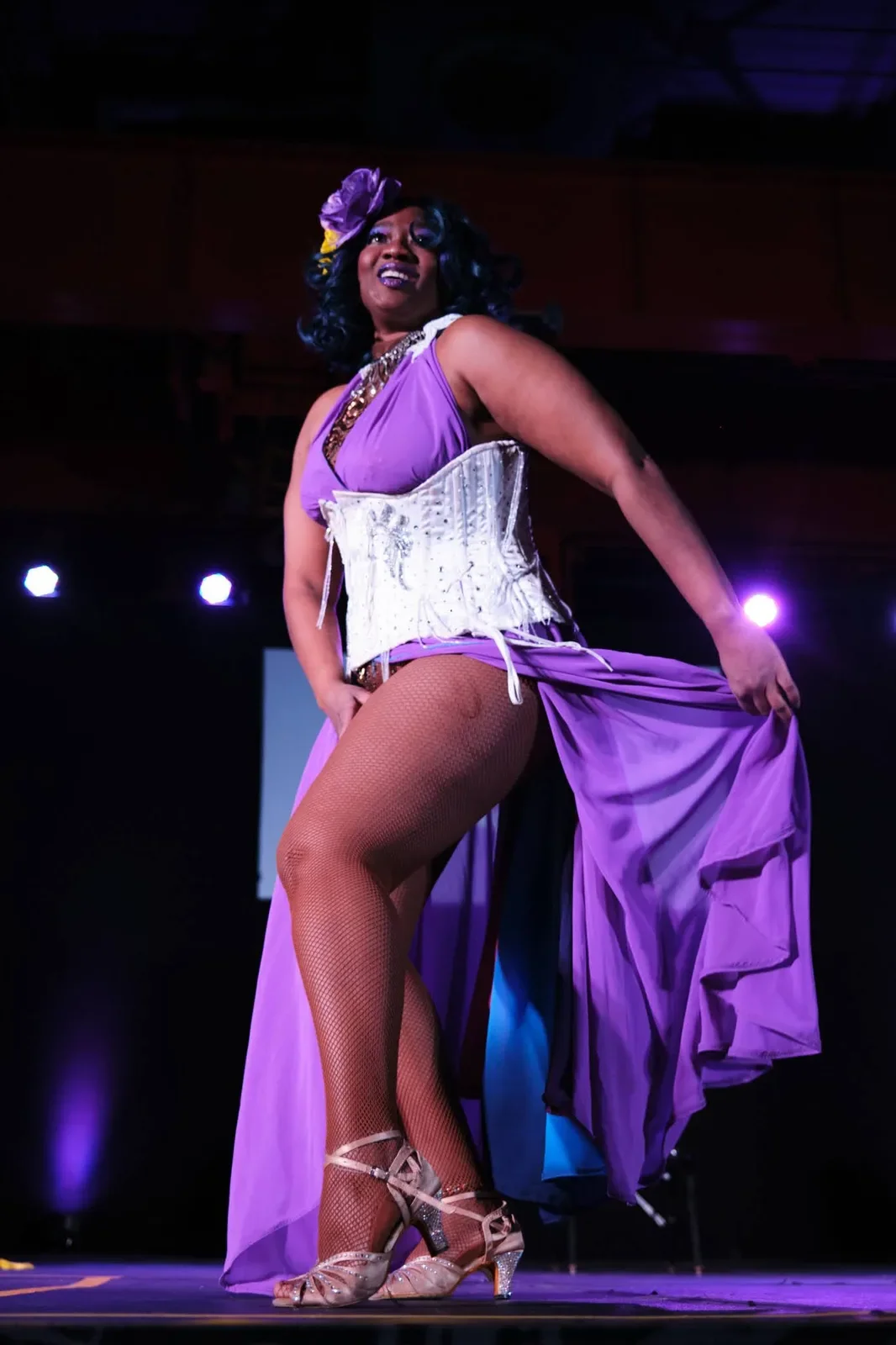
You don't have to choose sides in every disagreement. However, if your silence benefits the oppressor, then your silence is an endorsement of oppression.
Even as a child, I had a strong sense of right and wrong. As a teenager, I attended marches against apartheid. I refused to wear yellow gold when I learned about the conditions surrounding mining in Africa. I was never particularly afraid to speak my mind. That didn't change when I entered the burlesque community. If anything, it became more important. I continued to speak up on a local level when I saw something that I believed was harmful to the community. Sometimes that meant speaking for myself. Sometimes it meant supporting someone else who was willing to speak. Sometimes it simply meant refusing to pretend that I didn't see what I saw.
And then came 2020. We were all stuck at home. The world had seemingly stopped, but in true Black woman fashion, I continued working. I attended Zoom meetings. I listened to lectures. I connected with people digitally in the burlesque community. And I started thinking about what accessibility could look like. How could we make burlesque education more accessible? How could we reach people who didn't have access to traditional classes? How could we create opportunities for people who had historically been pushed to the margins of the burlesque community?
During one of those calls, I realized that I had the skills to do something about it. So I did. I started the Ellington Academy of Burlesque.
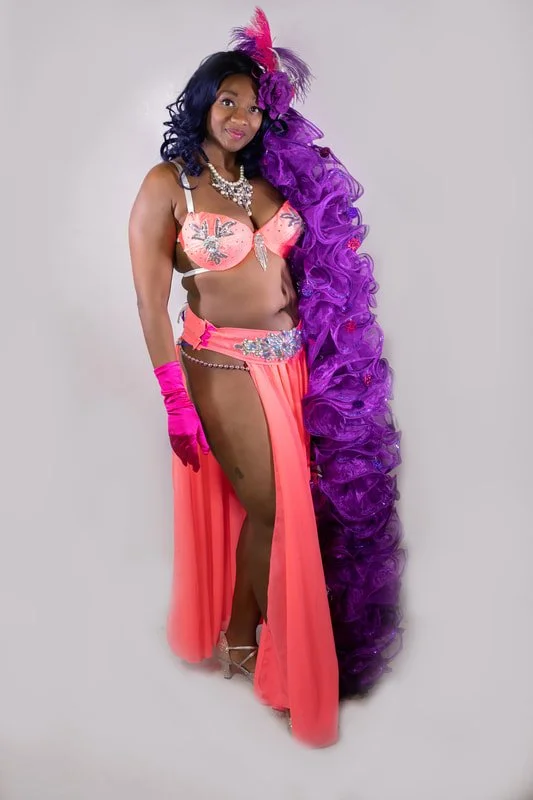
The mission was simple: Provide burlesque education to the people who needed access to it most. The Ellington Academy was created as an online, historically Black burlesque school, with a focus on providing education to marginalized people within the community. For me, this wasn't simply about teaching choreography or learning how to take your clothes off. It was about access. It was about history. It was about creating a space where people could learn without having to fight their way through the door first. It was about taking all of the things I had learned—the things people had taught me, the things I had figured out through trial and error, and even the lessons I learned the hard way—and making them available to someone else.
That was the part of my story that my critics never understood. They thought they were taking something away from me. Instead, they gave me a reason to build something.
After quarantine ended, Ellington Academy continued its work, but we moved toward a face-to-face model. And while I value what we built in person, I've never stopped thinking about the possibilities of the original online model. I'm seriously committed to bringing Ellington Academy back in its original online format so that I can reach a wider base of students. Because I know: Access changes lives.
Someone gave me access to burlesque. Someone gave me grace when I didn't understand the rules. Someone sat with me, taught me, corrected me, encouraged me, and eventually became part of my lineage. Now it's my turn.
That's the thing about being told to stay in your place. Sometimes the best response isn't to fight for a seat at someone else's table. I strongly believe it's to build your own damn table. And make sure there's room for everybody who was told they didn't belong.
The people who tried to shame me thought they were writing the end of my story. They weren't. They were handing me the pen.
Nobody Cares What You Know. They Care About Who You Are.
So, who is Lottie Ellington? And why should you care what she has to say? That's a tough question to answer. Not because it's difficult to describe who I am, but because there are so many layers to the answer. So I'll just lay it out.
I'm Gen X. I was born in the '70s, raised in the '80s, grew up in the '90s, and the rest is what you see. I'm an educator. A creative. A friend. A lover. An auntie. A sister. A blerd. A mentor. A student. A burlesque performer. An artist. A dog mom. A baker. A sewist. A neurodivergent baddie. A brat. A switch. An anti-racist. A queer advocate. A safe space. A sci-fi girlie. A gardener. A prop maker. A horrible housekeeper. And that's just the short list.
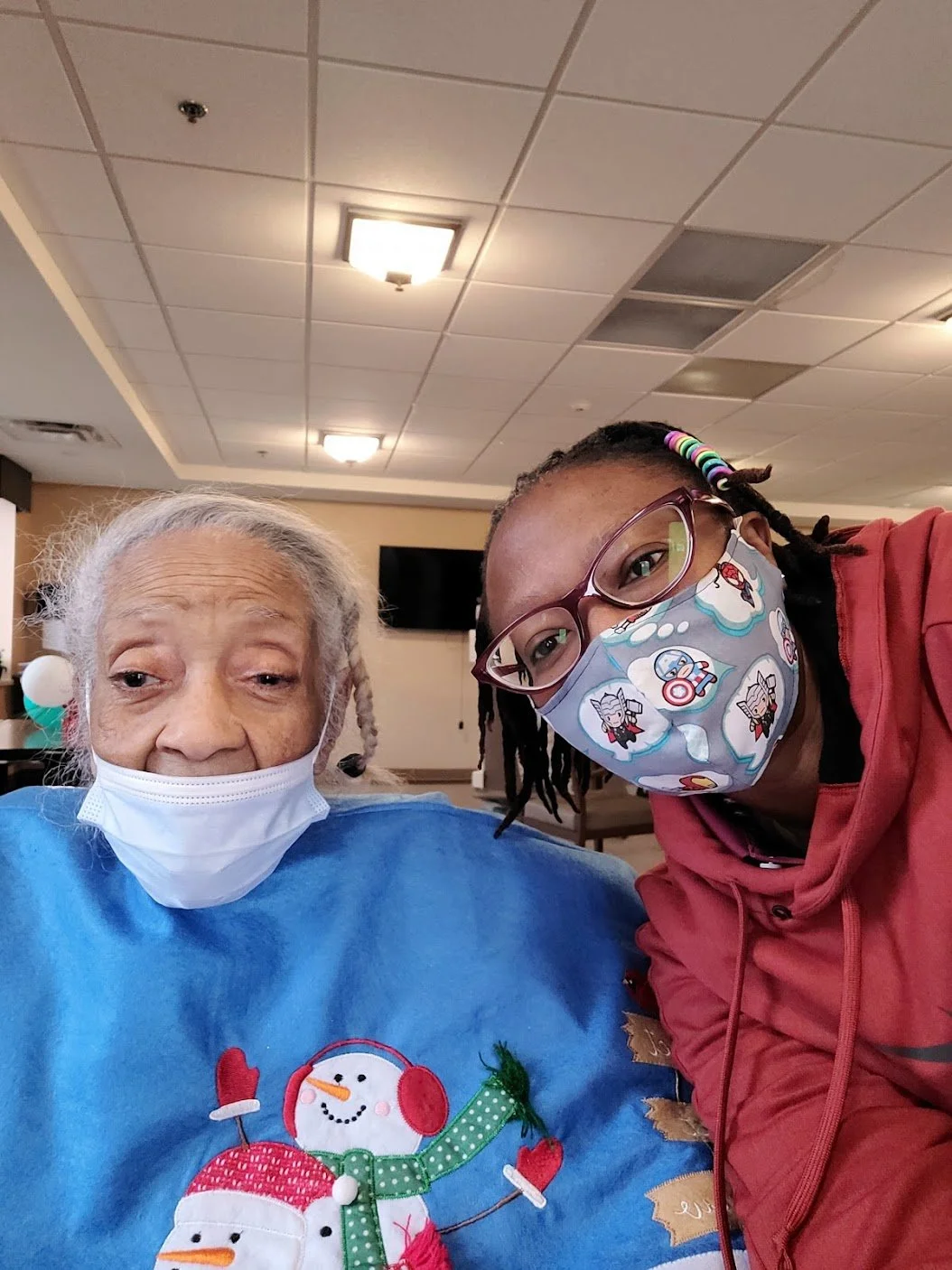
I am human. I'm flawed. I make mistakes. I apologize. I fall down. I get back up. And I keep moving. I'm a 50-year-old Black woman who is doing the best she can with what she has, what she knows, and what she continues to learn.
I'm sure there are people who will say the only reason anybody cares about me or what I have to say is because I befriended Toni Elling. And for some people, I'm sure that's true. There are other people who will only care because they want to follow up on the story of the twerking teacher.
Maybe you're here because you remember the news story. Maybe you're here because you know Toni. Maybe you're here because you've seen me perform. Maybe you're here because somebody sent you this and said, "Girl, you need to read this." And if any of those are the reasons you're reading this right now? I'm okay with that.
Because my work, my story, and my legacy have never really been about me. They've always been about helping, showcasing, connecting, and uplifting other people. That's the thread that runs through everything I've done. Teaching. Performing. Advocating. Creating. Mentoring. Building community. Opening doors. And sometimes, kicking doors the hell in when nobody wants to open them.
I don't believe that having knowledge makes you important. I believe what you do with that knowledge makes you important. I've spent years collecting lessons. Some came from classrooms. Some came from stages. Some came from mentors. Some came from mistakes. Some came from losing everything. And some came from simply being willing to listen when somebody wiser than me said, "Girl, you got some shit to learn."
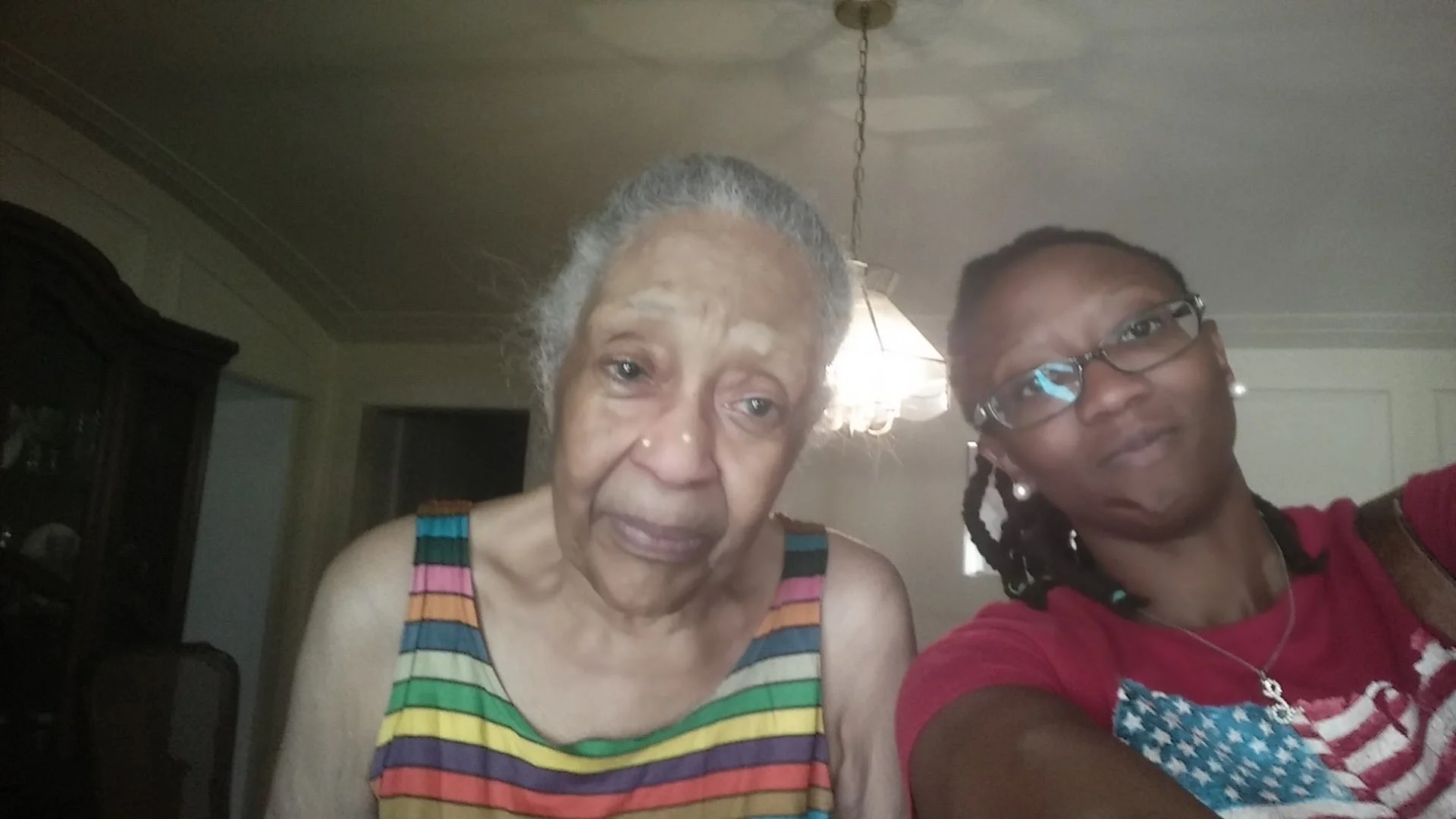
I've been a student and a teacher simultaneously for most of my life. That's probably why I've never been particularly interested in gatekeeping. If somebody taught me something that made me better, I want to teach somebody else. If someone opened a door for me, I want to hold it open. If I find a shortcut, I'm going to tell you where it is. If I make a mistake, I'm going to tell you about that too. Because somebody else shouldn't have to suffer through the same lesson just because I already paid for it.
That's what I mean when I talk about legacy. Legacy isn't simply having your name remembered. It's what continues because you were here. It's the student who became a teacher. The performer who found her confidence. The person who finally felt welcome in a room. The artist who decided they were allowed to call themselves an artist. The person who saw someone who looked like them onstage and thought: Maybe I can do this too. That's the stuff that matters to me.
So, who is Lottie Ellington? I'm not a legend. I'm not perfect. I'm not always right. I'm not always graceful. Sometimes I'm loud. Sometimes I'm petty. Sometimes I'm exhausted. Sometimes I'm a hot-ass mess. But I'm still here. Still learning. Still creating. Still teaching. Still dancing. Still making mistakes. Still getting back up. Still making room. Still passing the mic. Still opening doors.
And after nearly sixteen years of burlesque, I think I've finally figured out what that imaginary creature I created back in 2011 was supposed to become. Lottie Ellington was never just a stage name. She became a vehicle. A way for me to take everything I am—teacher, performer, activist, artist, mentor, student, Black woman, Gen Xer, auntie, nerd, troublemaker—and put it into the world. She became a way for me to connect with people. To teach. To challenge. To entertain. To piss some people off. To inspire others. And hopefully, to leave things a little better than I found them.
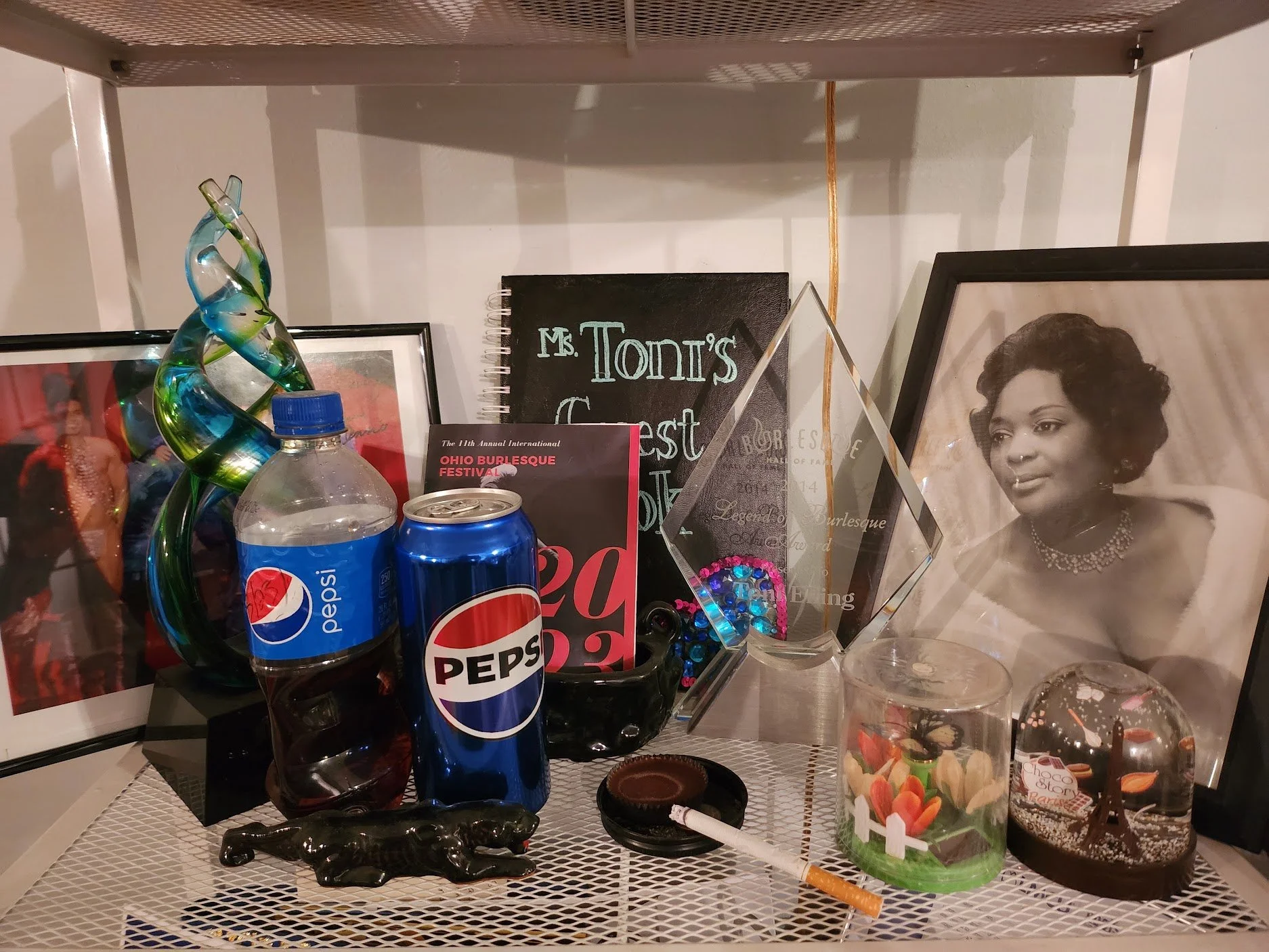
So if you're here because of Toni? Welcome. If you're here because of the twerking teacher? Welcome. If you're here because you want to know what happened next? Oh, honey. Welcome.
Because this story was never really about how I got outed. It was never really about losing my teaching career. It wasn't even really about burlesque. Those were simply the circumstances.
The real story is about what happens when a person refuses to let other people decide who she is. And I'm still deciding.
——————————————————————
You can see Lottie and a phenomenal cast of performers next month at the Ecdysiast Arts Museum in Davenport, Iowa for the unveiling of the Every(body) Wants to Be a Showgirl permanant collection and the viewing of Toni’s Closet, the personal archives from legend Toni Elling.
If you would like to honor Lottie for the time and energy she has taken to preserve Mama Toni’s personal collection please feel free to send offerings to the following handles:
PayPal: Lottieellington@gmail.com
Cashapp: $lottieellington
Venmo: Lottie-ellington