By Aquarius Moon
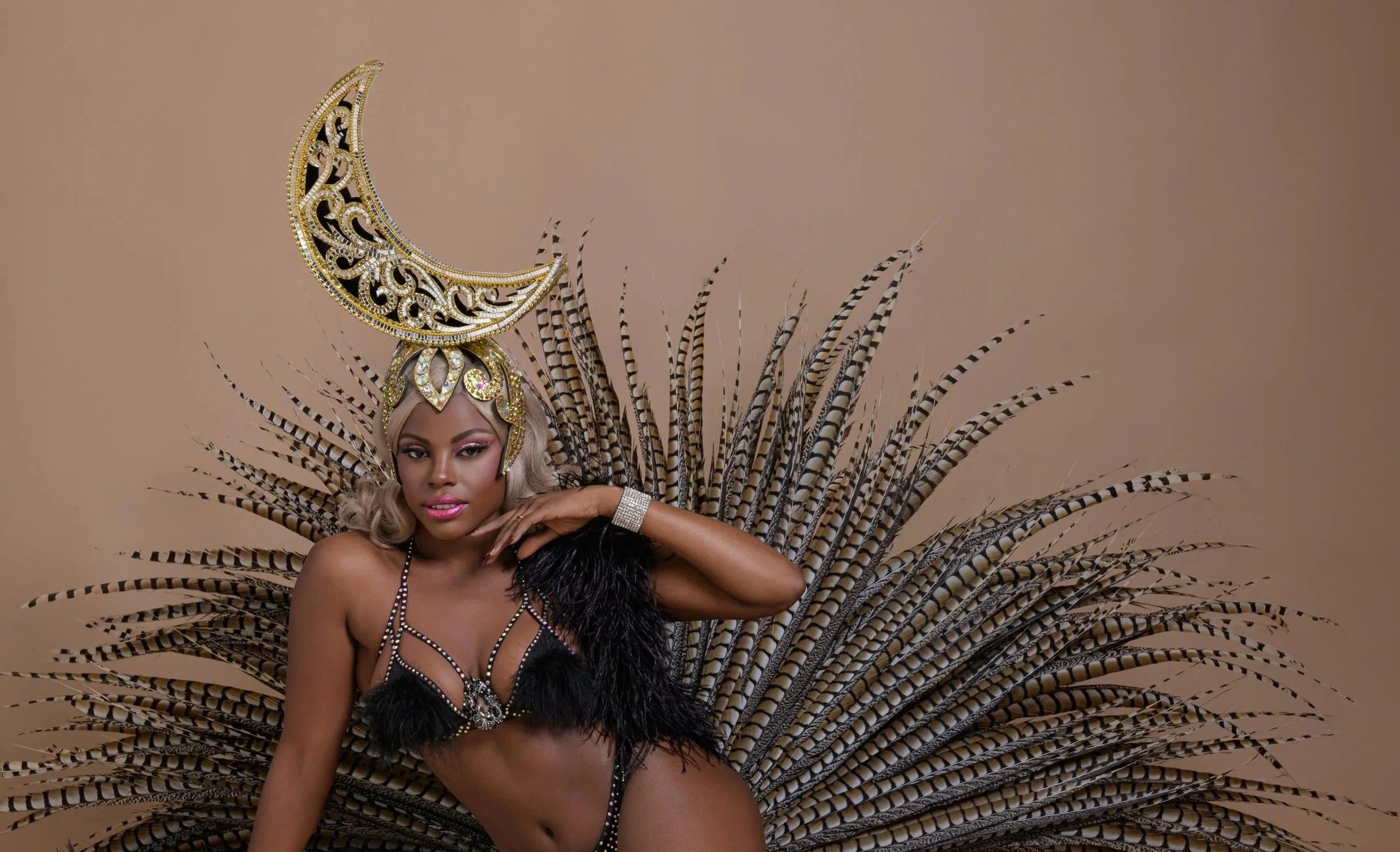
Photography by Radiant Inc.
Burlesque Doesn't Have a Succession Plan — So What Happens When We Cancel Whoever's Left?
If we keep canceling the people who could become our next legends, and we never build a plan for who comes after us — what exactly do we think we're going to leave behind? Thank you to all the moonbeams who've been reading my Diaries of a Traveling Showgirl blog. We'll have a new guest blogger next month, but for now, enjoy my latest diary entry:
The numbers are in! 1,645 people have witnessed Black burlesque history in person since February 6th — 1,065 in Washington, DC, 550 in Indianapolis, and 30 in Minneapolis. I genuinely wonder what the number's going to look like in Davenport next month!
I'm writing this mid-move — unpacking from my step down in Las Vegas and repacking to fly to Davenport, where I'll be celebrating the permanent home of the biggest Black burlesque exhibit in the world: Every(body) Wants to Be a Showgirl.
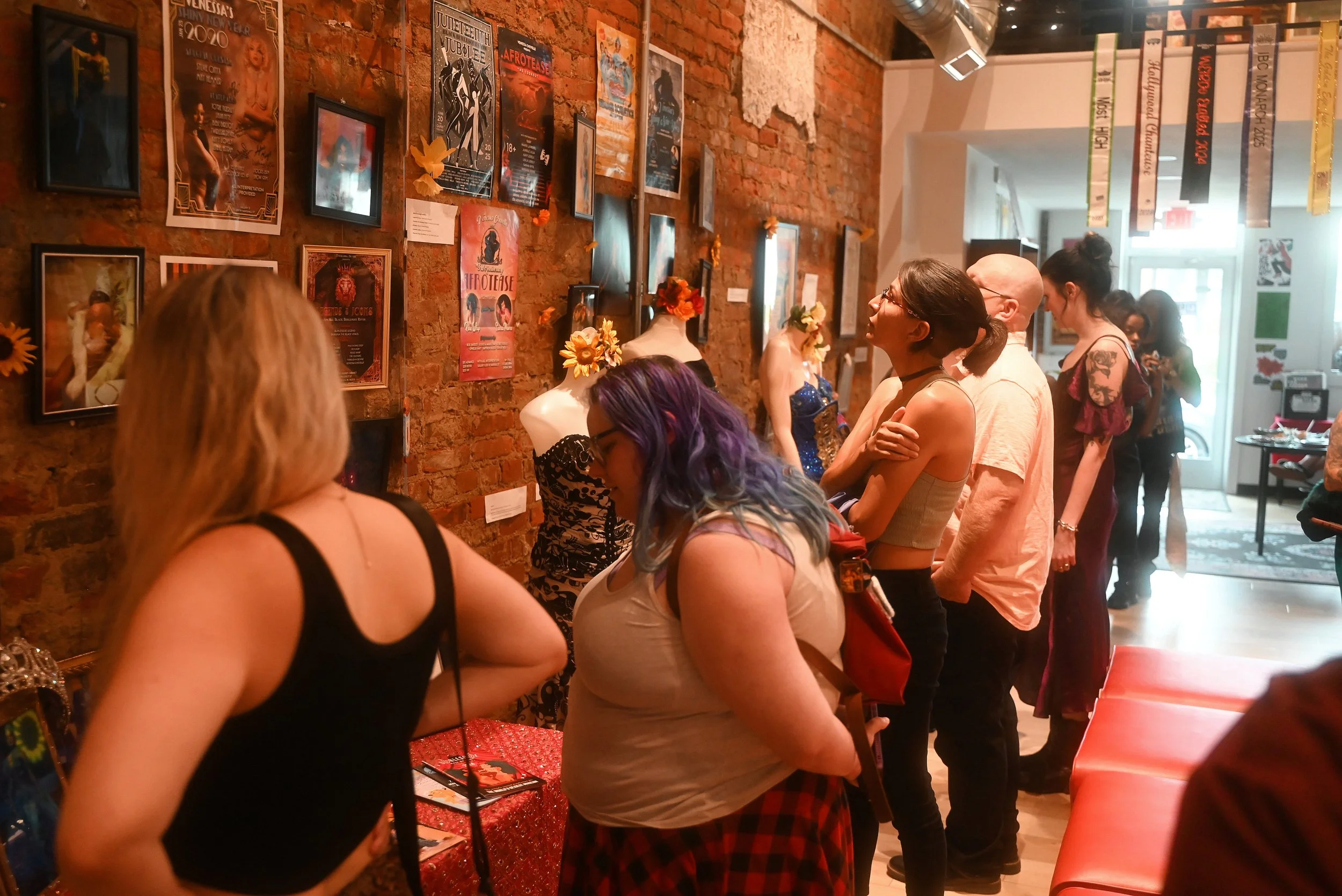
EWTBAS Opening gallery party at the Indianapolis Liberation Center on August 8. Photography by Schwebach Photography
The Stepdown and the Crown
For anyone outside competition burlesque: a stepdown is the formal passing of a title. Done right, the outgoing titleholder is expected to account for what they actually did with their year as queen. I'm a queen and a monarch, so don't get caught up on the specific language — I'm really talking about any title with recognition attached to it. Whether it's a crown, a list, a residency slot, or an opportunity tied to funding, there are a lot of spaces where people compete for the spotlight.
The real question in any of these spaces is: did you leave the position better than you found it? Did you make sure the door was open for whoever came after you? That's a question I wish more industry professionals asked themselves.
At least within the spaces I perform in, there's a lot of obsession around competitions and crowns — the winners, the online debates, the post-win hater gang. Anytime someone gets recognized by the group, there's so much motion to pull that person back down. There's a lot less urgency around what actually matters for sustaining a career and your mental health — financial sustainability, historical preservation, and holistic wellness.
We spend more energy fighting online over who deserves a title than building a healthy ecosystem with real work for everyone. The exhibit is my service project — the way pageant queens and old-school burlesque queens have always built a platform from a title.
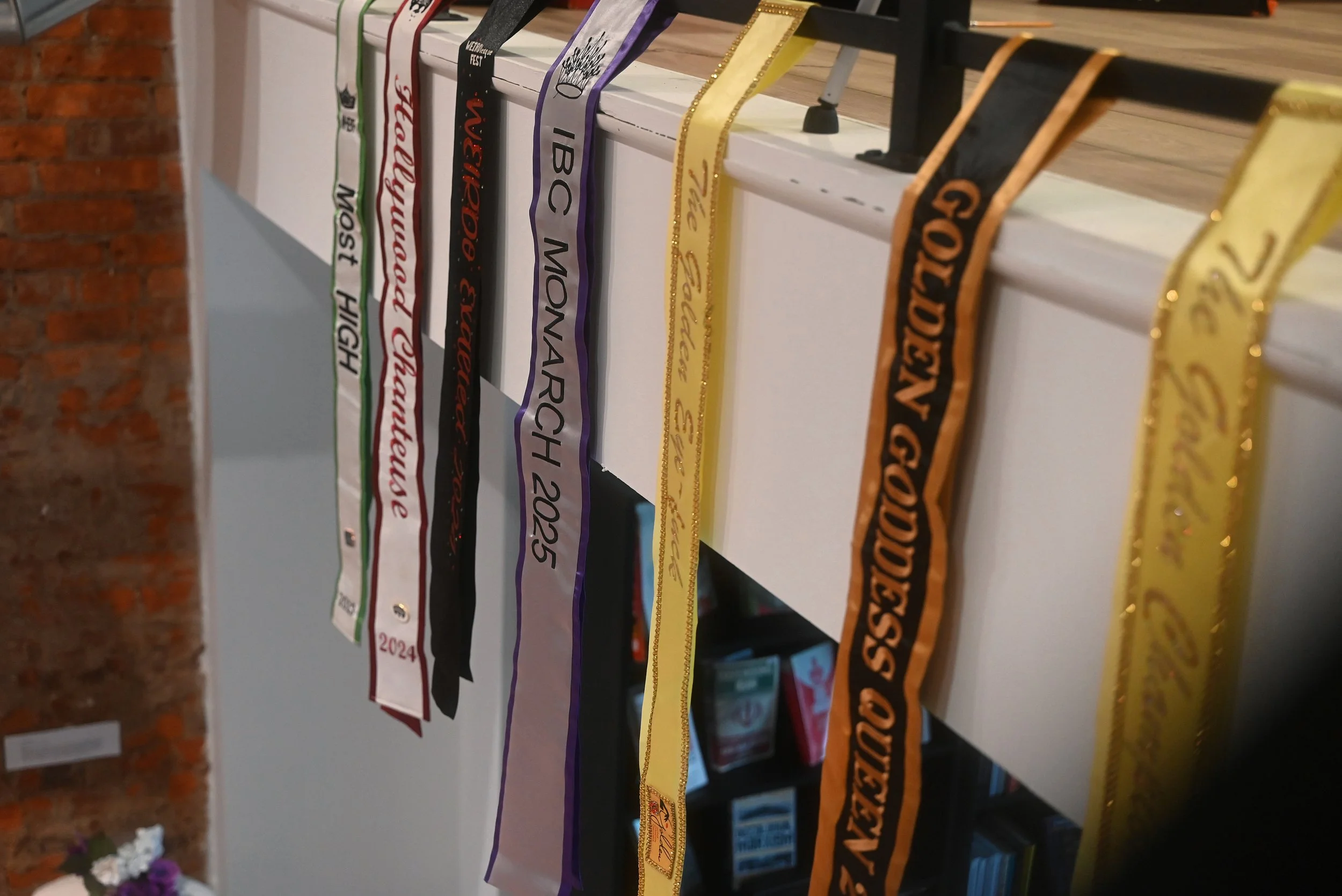
Our winners circle sashes hanging in Indian. Photography by Schwebach Photography
So what does any of this have to do with cancel culture? Follow me.
That Time I Got Canceled
Last year, after I won two crowns back to back and was ranked #6 most influential burlesque performer by 21st Century Burlesque Magazine, several performers tried to "cancel" me. The moment I reached a goal, everything went nuts.
The figurehead of a prominent burlesque nonprofit emailed the Burlesque Hall of Fame to say I wasn't qualified to build this exhibit — spreading lies to producers and writing think pieces to turn her followers against me. Another performer, a burlesque historian, called me a cult leader to my face backstage. Word got back to a producer, who said it was now "commonly understood" that I had drama with the local community.
How is that possible? I'd been on tour all year. I produced ten shows, raised the base pay rate in my city, and prioritized booking performers local producers had traditionally left out. People came out at first — then stopped, started copying my concepts, started producing their own versions, and somehow I became the cult leader.
No one told me I'd have to deal with this much groupthink and insecurity. When you're talented, intelligent, and genuinely supported, "the community" will try to swallow you whole. Notice I said try.
Not the Only One
I posted a question in my stories last week: why are the best creatives often the most ignored in their local scene? Over 200 people commented, DM'd, and called me about it — from over 30 cities on three continents.
"Gatekeepers... covert racism, protecting whiteness, misogyny... extractive behavior." — @aquariusfunkk
"So many cliques and the same shows booking the same people every time." — @andyyrose
"If you are profoundly talented and don't have substantial support, the crowd will eat you up. But first they copy everything possible." — @fluidmove.art
Not everyone read it the same way: "I'm not being shunned or gatekept — I'm just being selective." — @fayehavoc
To be clear: this conversation isn't about abusers, or violent, genuinely problematic people. And let's remember: not liking someone doesn't make them dangerous. If you're here to build an industry, we have to keep it respectful — a disagreement doesn't warrant the label of "dangerous" or "violent" in every situation.
Slander is dangerous. Interfering with someone's ability to eat is dangerous. Everything else is just interpersonal conflict we need to get better at resolving like adults.
The Legends Conversation
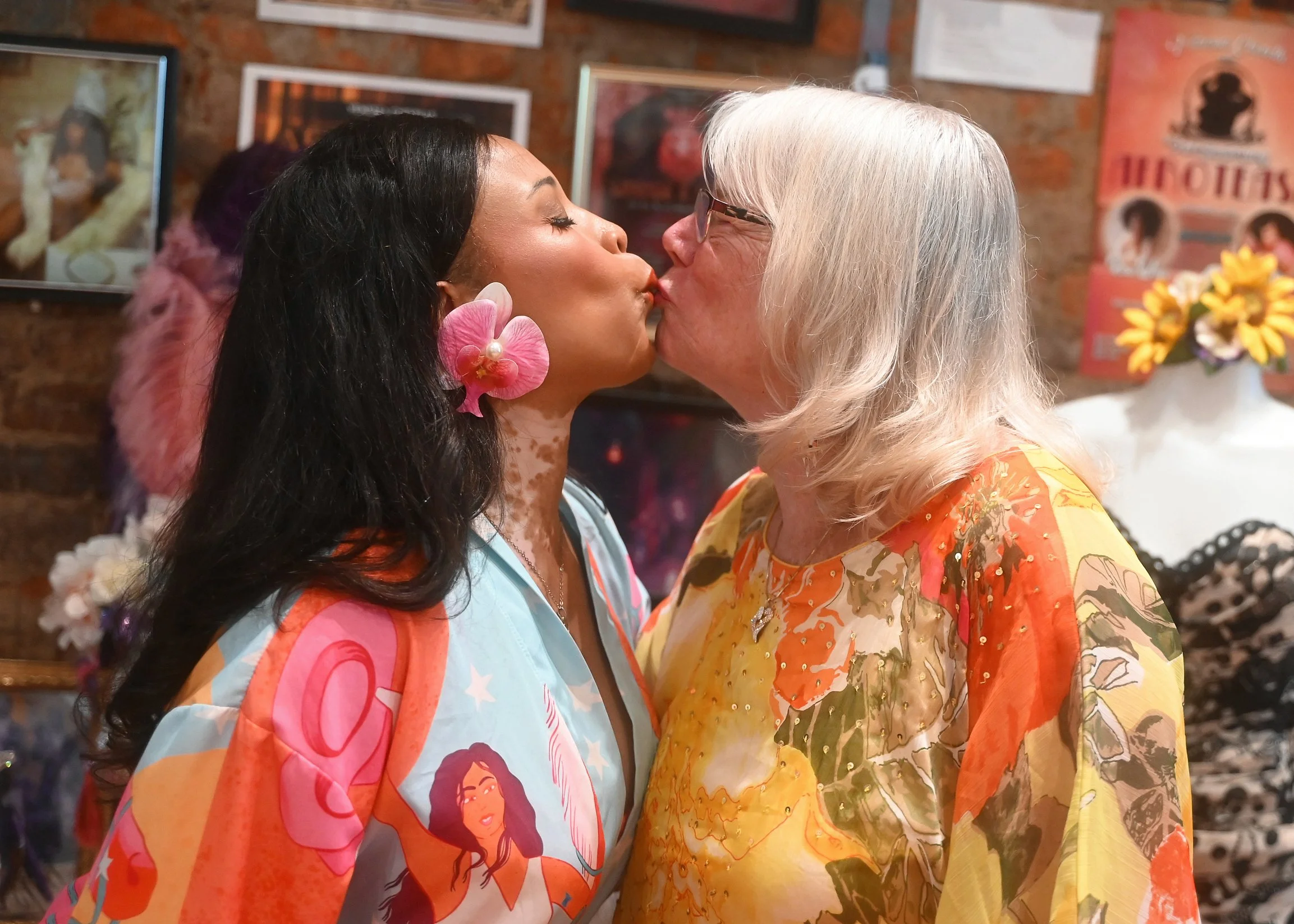
Twirlisha Devine and Tiffany Carter taking portraits after spending all day setting up the exhibit. Photography by Schwebach Photography.
From my view, there's a reason cancel culture has now touched most of us: our legends are getting older, and we're losing our guides. We're facing new challenges in a new day, and it would genuinely help to have more guidance around.
The next generation of icons is already here — but are we using them? Do they even know they're our new legends? Who's going to tell them? Who decides? Do we go off hearsay, or documentation? Whether we make room for them or not, we need to reevaluate where our attention has been going and who our new elders actually are, because it's messy out here and we could all use some loving, open-minded wisdom.
Recently I walked a ball in DC and had the best time. So many of my old ballroom friends from before my time in burlesque are now icons and legends. I loved seeing so many of my peers recognized as leaders and mentors on the floor, actively teaching the next generation.
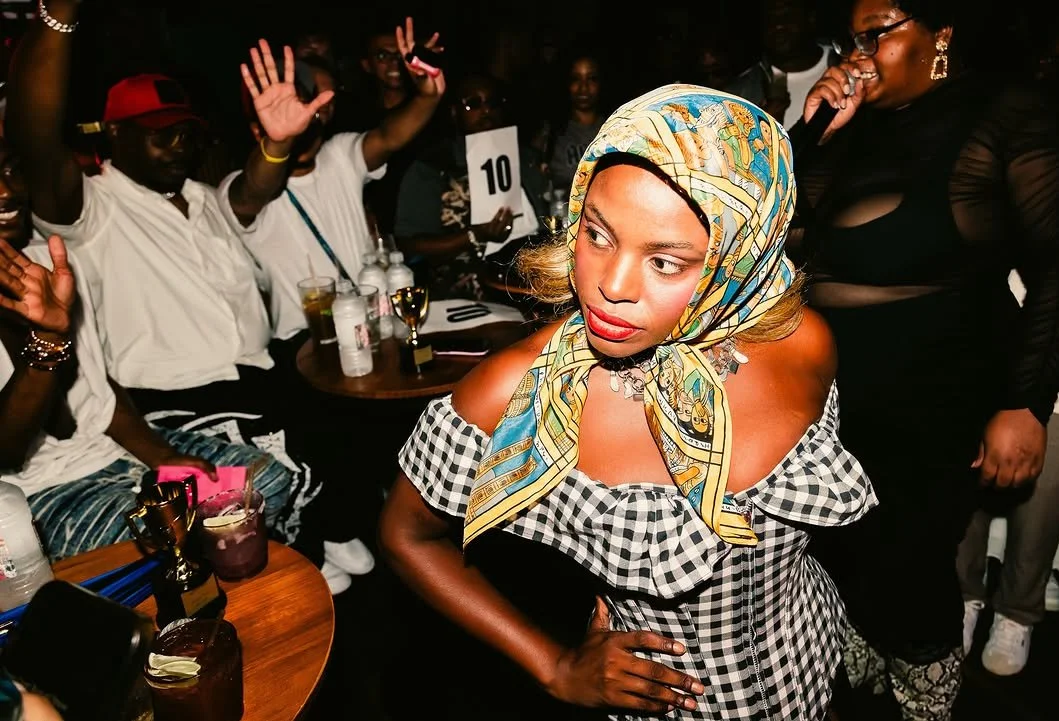
Walking runway at the Deep Cvnt Party last month. Photos by Cold Rice Studios.
Driving home, I kept thinking: why does ballroom have more real education and mentorship happening than we do?
In ballroom, you don't earn "legendary" status just by surviving — it takes years of recognized work and sacrifice. A house mother or father doesn't just hold the title and coast; the role comes with responsibility, mentoring the people coming up under them into legends of their own. Succession isn't an accident there.
Ballroom almost didn't exist after AIDS devastated the queer community. That history is exactly why it matters when people intentionally keep showing up for themselves and each other, over and over — that kind of consistency is what protects a community, and what sets the example for whoever comes next.
Another reason I prefer ballroom spaces to burlesque spaces: when there's a problem, ballroom handles it in person — called out to your face, in the room, not typed into the void. Sometimes hands get thrown at the ball, actually a lot of the time. Let me be clear: I don't condone violence. I believe in using our words, and sometimes that's going to get real awkward and uncomfortable when emotions are being shared.
Blocking people and avoiding every hard conversation online makes it impossible to actually resolve anything. We need uncomfortable conversations in public — with elders, current mid-level leaders, and the next generation all in the room together. Everyone has a job to do in that room, and it's on you to know yourself and your boundaries while you're in the space.
Side note: staying passive, yapping, and echoing other people's work isn't helping either.
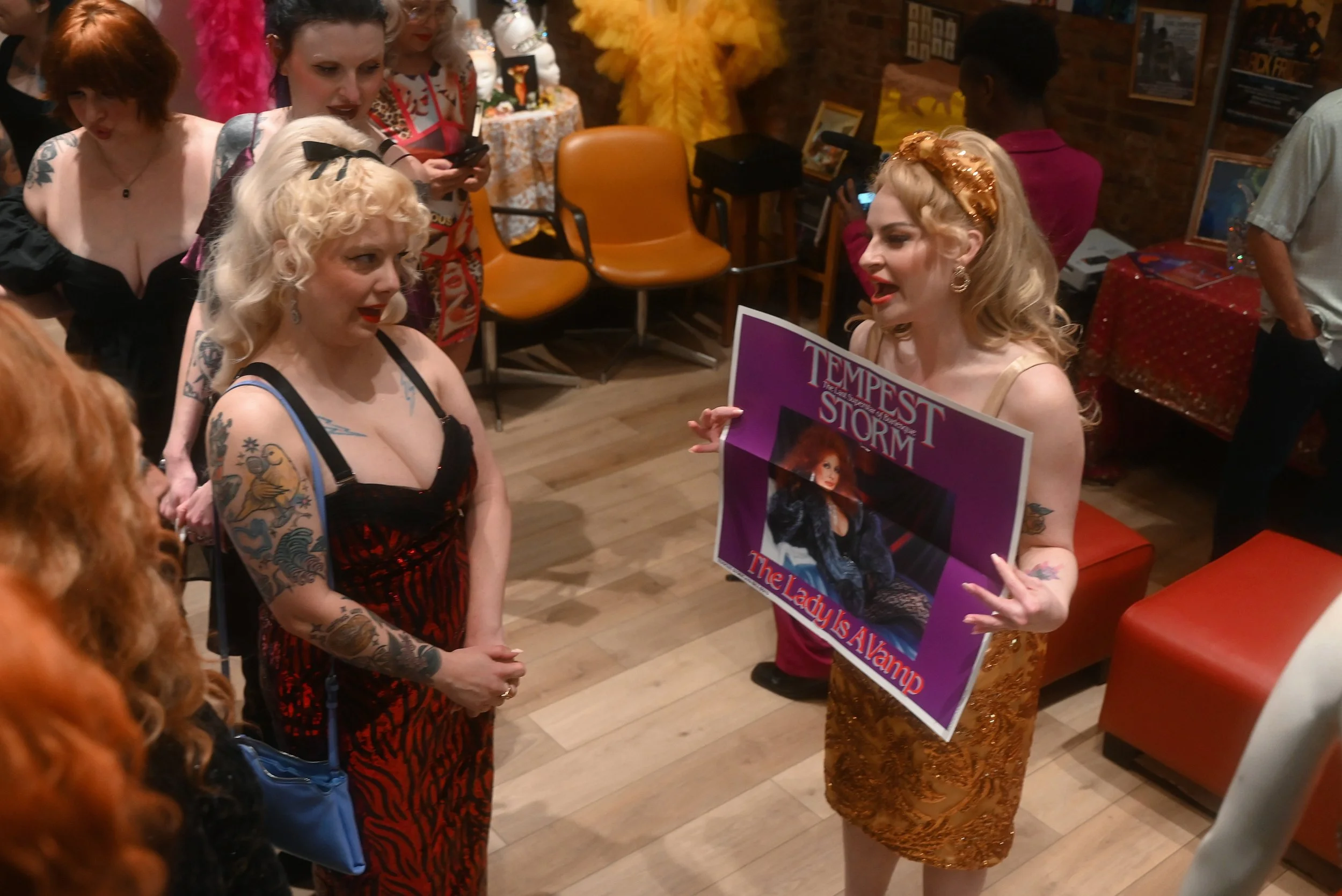
Desiree DeCarlo showing one of the last photo prints of Tempest Storm at our EWTBAS gallery party. Photography by Schwebach Photography
But just because burlesque hasn't built any of this doesn't mean we can't. We don't have criteria for what we want in our next generation of elders, or what elders owe the people coming up behind them — so let's figure that out. We use the words "queen" and "the best" constantly, with no shared agreement behind any of it. That's part of why the fights happen. Without criteria, status becomes about who you know instead of what you've built. It's okay for us to all have different opinions, but can we agree on anything?
I don't think we should import ballroom's system wholesale. But we need our own version: real parameters built around time in the work, peer recognition, contribution to the community, and eventually, mentorship. And legend status shouldn't be tied to physical age — it should be tied to experience and real impact.
Cancel Culture, Revisited
Writer’s Note: Not every cancellation is unfair or unwarrented. Some people get canceled because they caused real harm, refused to grow, and avoided accountability. This diary entry isn't a piece about protecting people from consequences they earned. In fact many gatekeepers after George Floyd capitalized on the confusion of people being cancelled for legitamite reasons and need to understand this concept.
Cancel culture, at its root, grew out of Black and indigenous accountability practices — restorative justice, not public shaming for sport. Naming harm, holding someone responsible, and giving them a real path to do better.
One thing Black people are going to do is forgive. Arguably too much but that is for a different day.
To implement restorative justice there has to be room for growth and redemption under shared agreements. However that looks for the circumstance and people occupying the space. What got lost when “cancelling” went mainstream — when it got co-opted — was when the landscape shifted. Public call outs became more about punishment without rehabilitation, permanent exile instead of an actual chance to change. That's the version I'm talking about here. Not accountability. The kind that never lets you come back, no matter what you do.
April Harter is a trauma therapist that I learned many lessons from during my jobless boredom during the pandemic. She often cited public shaming as a form of narcacissm and as a community organizer at the time I had to sit with the idea that yelling at someone and publically humiliating them in the name of change doesnt really improve any long term beharvioral patterns.
Cancel culture has caused real division among the people actually doing the work — including my own mentor, Danielle Colby. Many of my community partners across cities have had performers try to cancel them or come after their business and reputation after a major career or life win. Much love to Dannie and all the powerful people in my life who are guiding me on how to gracefully move with purpose.
I'm learning getting canceled doesn't end your work, but it does make you feel lonely. You end up alone, having to figure out what you're going to contribute and how you're going to navigate new environments. The top-tier people who get dragged through hell don't just keep going — they fill gaps left by people who were never canceled, because they never did anything worth noticing. Oop.
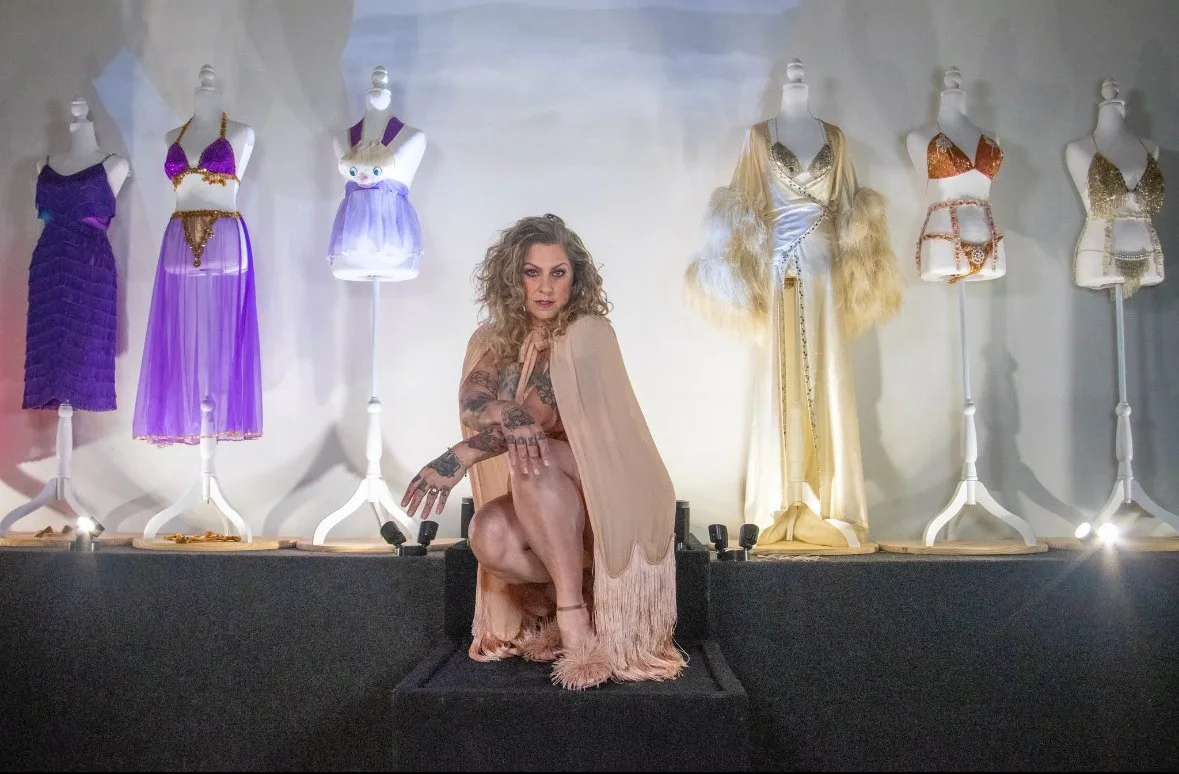
Dannie and her family have been part of a small cohort of leaders quietly doing the work. Crowns and titles are nice, but temperature-controlled spaces, archiving studios, food for the community, and working opportunities for industry professionals are better. Where are the crowns for the local producers going after grants, providing resources for others, and never screaming about it online?
Maybe we should stop asking "who deserves to get canceled next," and start asking: what qualities do we actually want in our next generation of elders — and what do our new legends need from us to get there?
I used to teach a classroom of 30 kids. Two or three always needed real individual attention, and giving it to them meant the other 27 — quietly doing exactly what they'd been asked — got almost nothing from me. Nobody made a bad choice. That's just where attention goes when it's limited and someone's asking loudly for it.
Burlesque does the same thing with talent. The industry's attention keeps circling whoever's loudest, while the quiet superstars doing extraordinary work year after year get overlooked. Not because they aren't good enough. Because nobody's attention ever landed on them.
Show Up Anyway
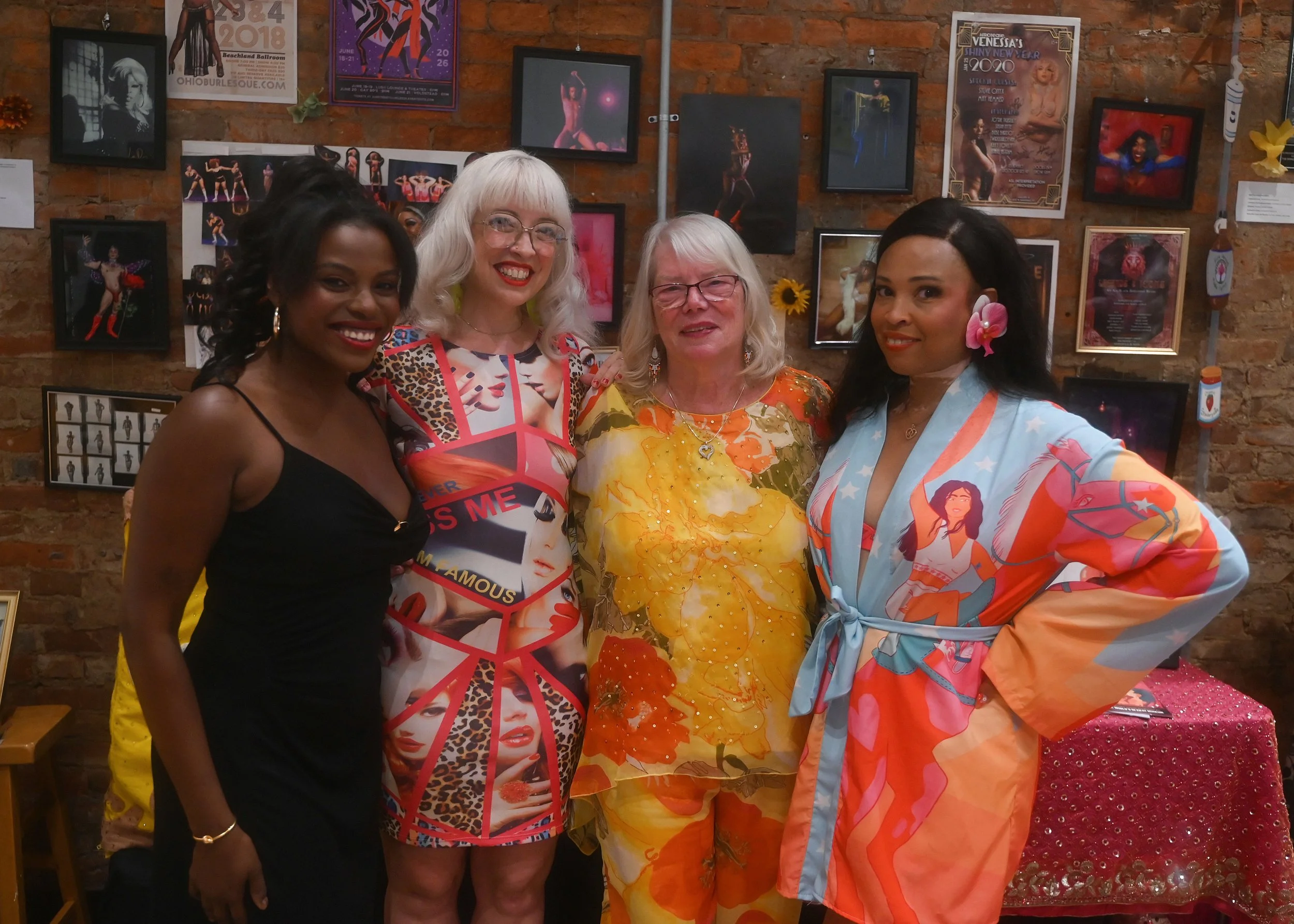
Post Tales of the Strip panel photo. Photography by Schwebach Photography
Last month, Twirlisha Devine Productions, Circle City Academy, Metro Cabaret Club, Indiana History Project, and the Rocket Dolls sponsored the EWTBAS weekend at the Indianapolis Liberation Center. Twirlisha flew Tiffany Carter out to the Midwest on behalf of Shawna the Black Venus, to help fundraise toward some rising healthcare costs. Listening to Tiffany's stories pushed a lot of us to stay focused and believe in ourselves. Bringing together over 16 years of local history in one room was powerful, and it motivated a lot of younger performers to volunteer, show up, and support.
All this to say: people tried to cancel me, and they epically failed. I'd rather be looked away from by a small few than be easy to stand next to by many.
Anyway…..when I flew to Vegas for my step down, I learned so much. I got to watch Dita Von Teese perform what may be one of the last casino burlesque shows ever, and I observe Raquel Reed and Audrey Deluxe run the Sin City Burlesque Festival with their own resources and team. Over the last few weeks I have travelled across the U.S. and although the economy is struggling there are pockets of sunshine everywhere.
This art form still has motion. We have designers, photographers, and historians doing really important work. I've traveled all summer and seen some great burlesque, but I've also seen fewer legends, fewer queens, fewer geniuses out in the field. We need our best and brightest out here if we're going to keep this party going.
This weekend, the Ecdysiast Arts Museum and Nytes in Harlem Production Co. are bringing out Lottie Ellington and a stellar cast featuring Lola Loveletter, Yala Royce, and Angelica Maria. On display, we'll be debuting Toni's Closet, curated by Lottie Ellington, Danielle Colby, and me — the first time Toni Elling's personal collection will be on public display. We're all so grateful this collection exists because of the people who kept it safe: Lottie Ellington, Eartha Kitten, Roxi D'Lite, Bella Sin, Caffeine Luv, Tigger, and countless others. This weekend, we finally get to honor them and the legacy of one of our most revered burlesque ancestors.
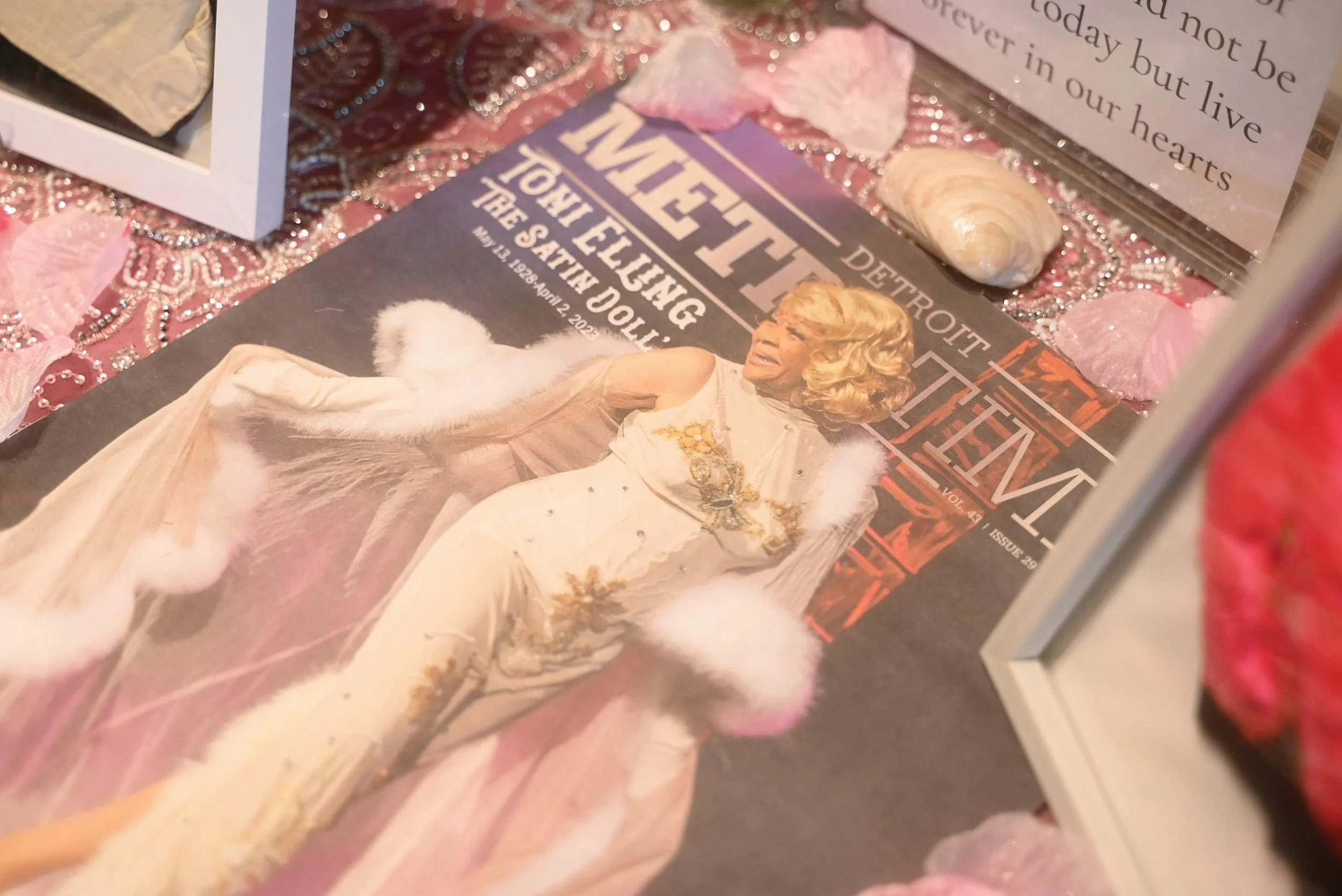
If you want to see what that work actually looks like — not the safe version, the real one — come find us. Every(body) Wants to Be a Showgirl is where it lives.
The exhibit that came out of surviving all of this needs your help staying open. We need to raise $2,000 in the next 48 hours toward the Ecdysiast Arts Museum's $150K goal — if you can, please share this message, and if possible, contribute here.